The depth of surfaces
Fioranese’s new design languages between material, light and interior design
Fioranese’s new design languages between material, light and interior design
Surfaces to observe, touch and experience.
With the new collections presented at Cersaie 2026, Fioranese explored a dimension of ceramics increasingly connected to interior design, where material, colour, light and three-dimensionality help shape the identity of a space. Scaglie di Storia, Fragments, Lavika, Ossidiana and Drops interpret different design languages, united by the search for a new depth of surface and by ceramics’ ability to interact with furnishings, materials and architecture.
The common thread is DEEPLY REAL, the Fioranese concept developed from the search for an even more authentic relationship between graphics, structure and surface. Two complementary processes act on the material in opposite directions: one carves into it, emphasising details, veins and natural variations; the other enriches it by building relief. The result is surfaces characterised by different levels of three-dimensionality, where depth becomes both visual and tactile.
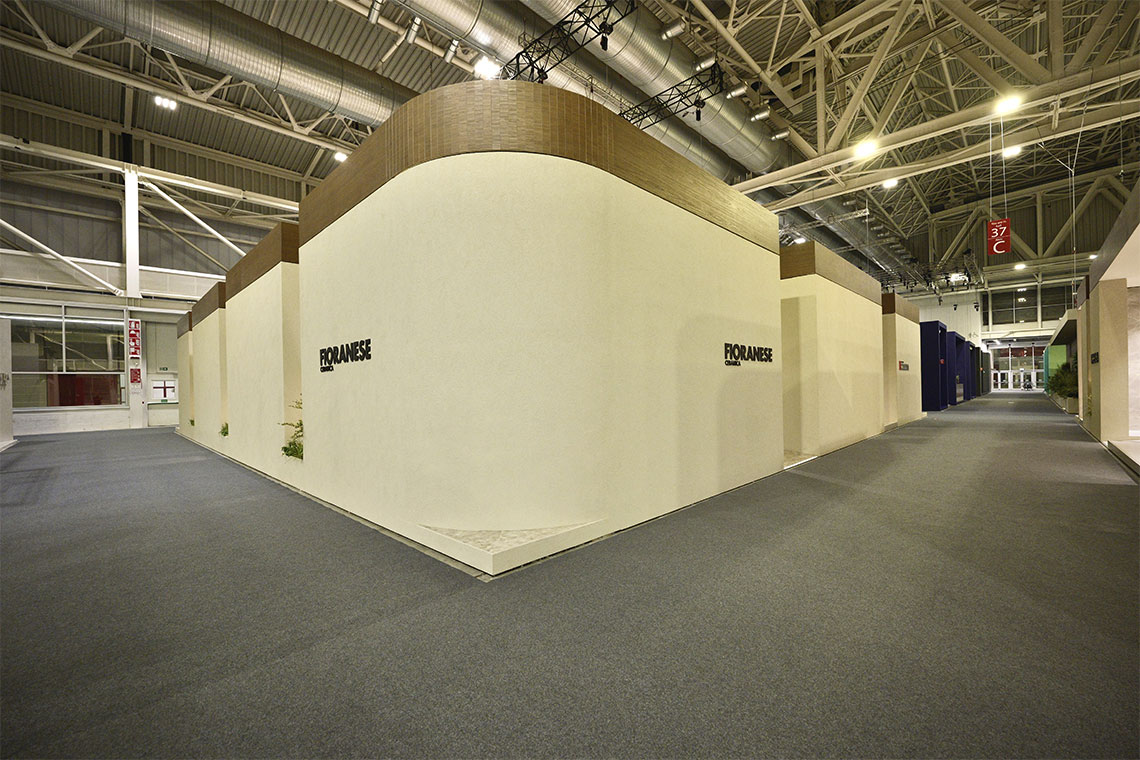
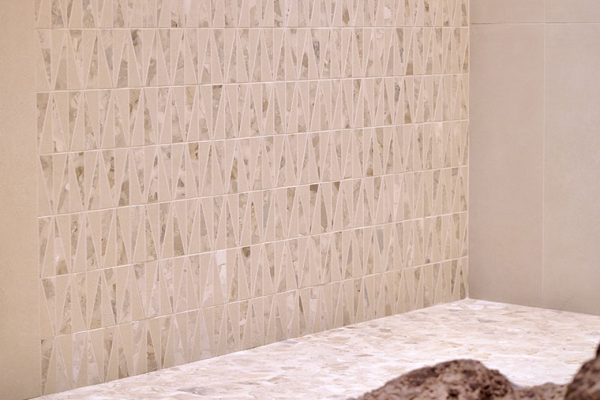
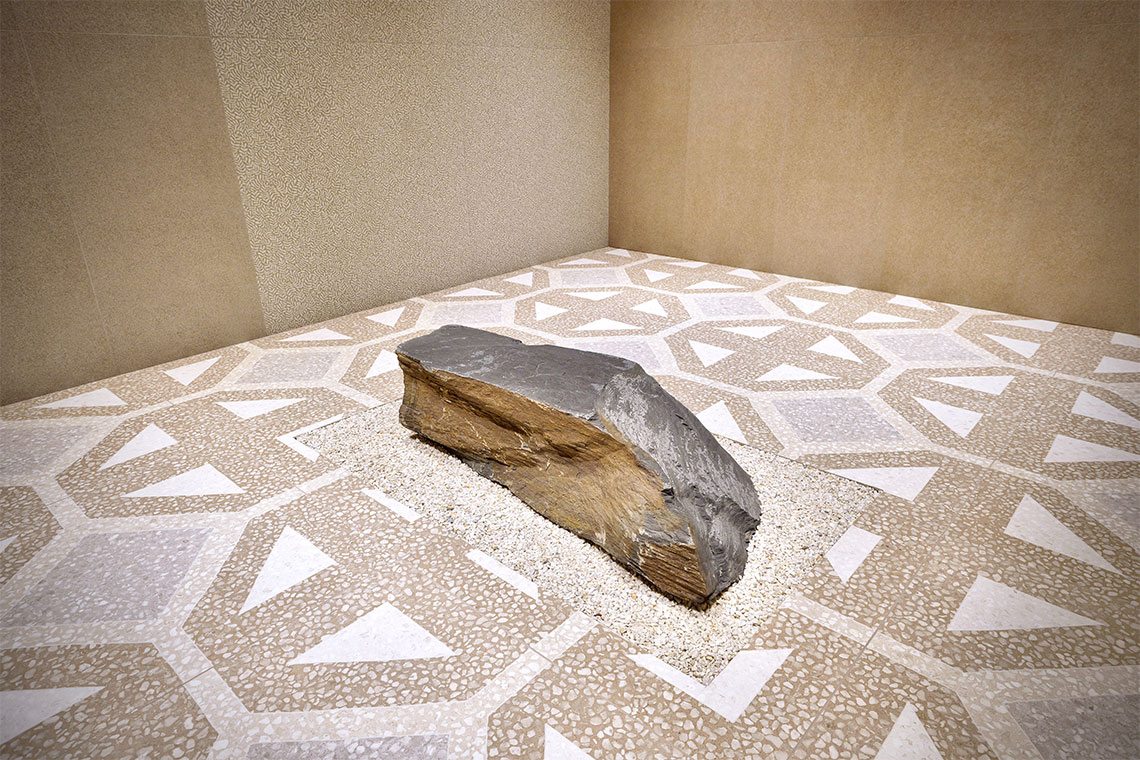
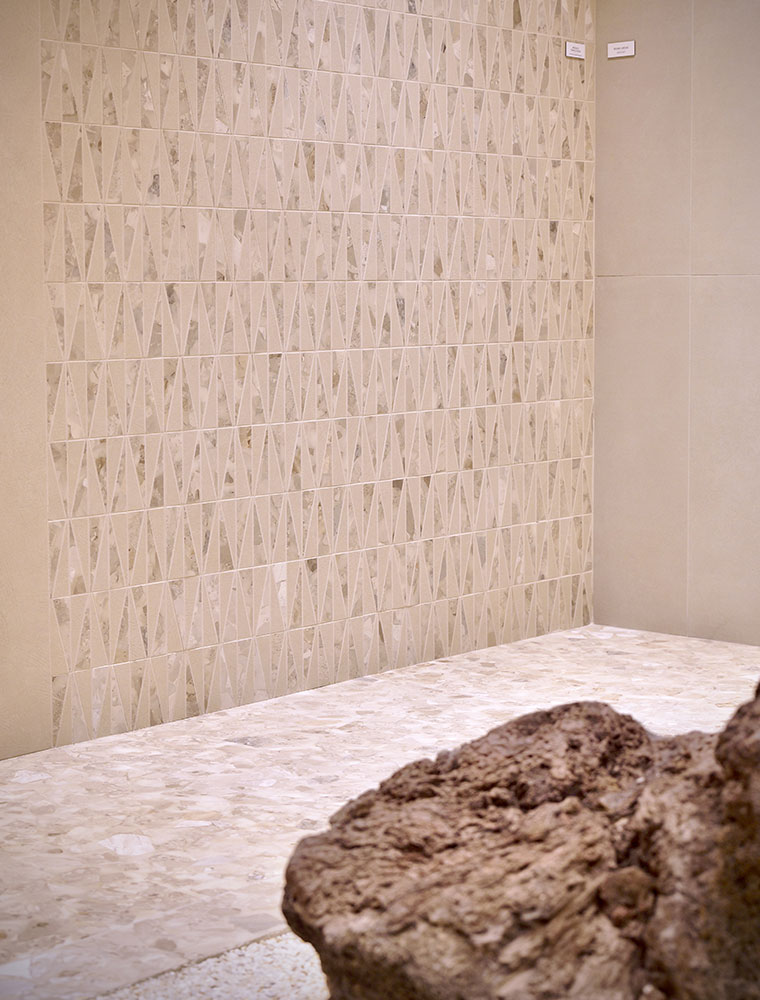
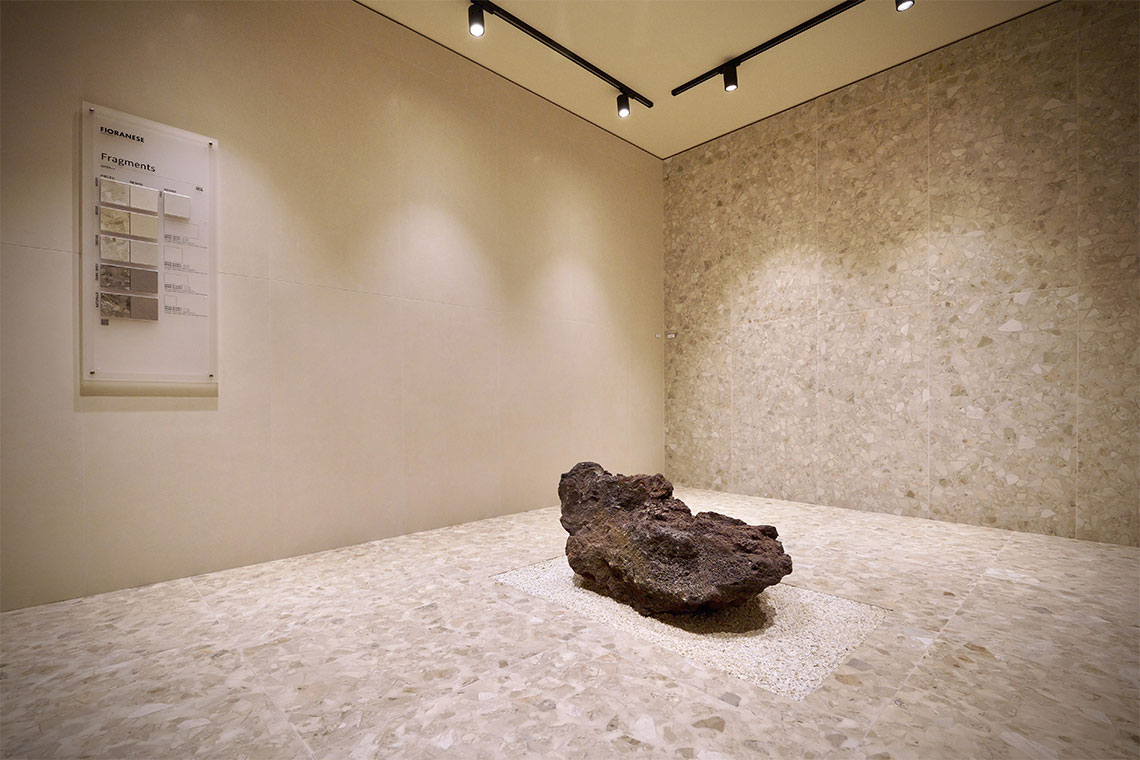
Fragments expresses this research in a particularly meaningful way. The collection originates from the reinterpretation of a Sicilian ceppo stone, a material shaped by sedimentation over time and rich in inclusions, capable of evoking the authentic character of the Mediterranean landscape.
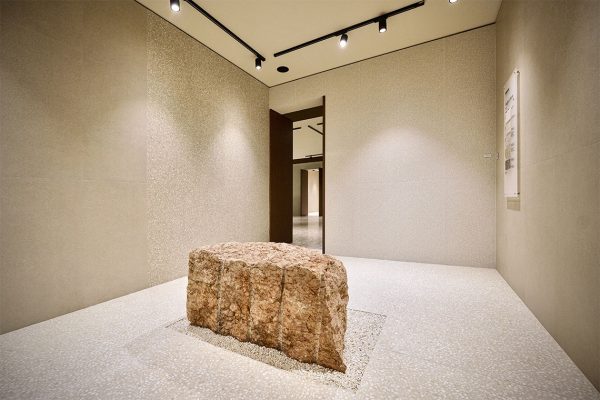
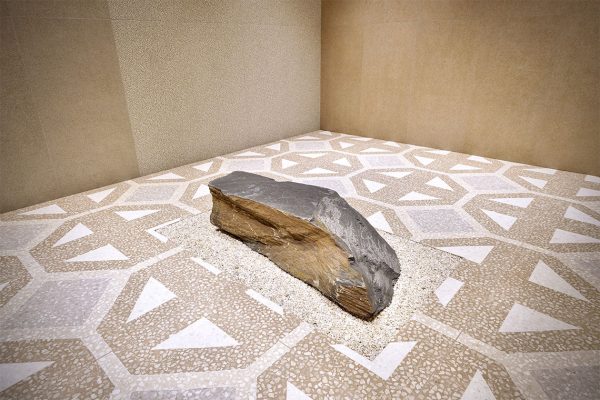
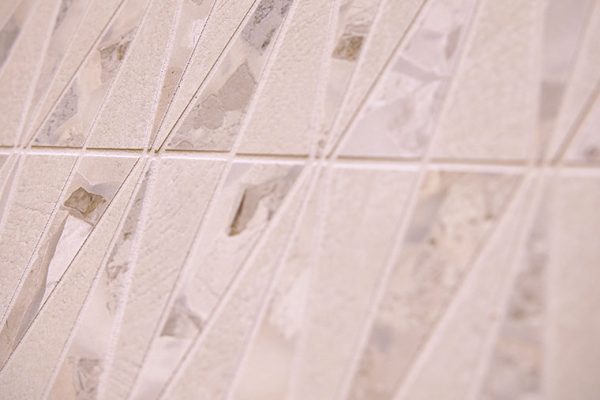
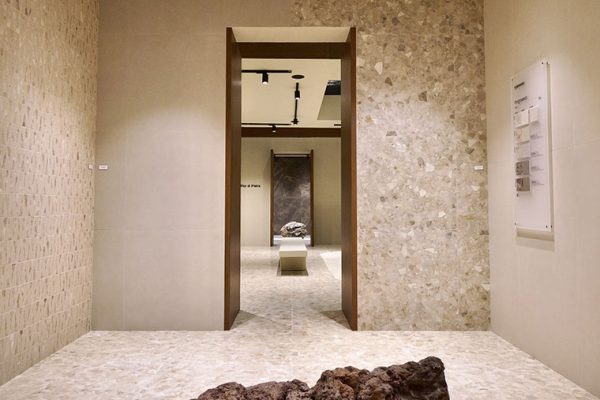
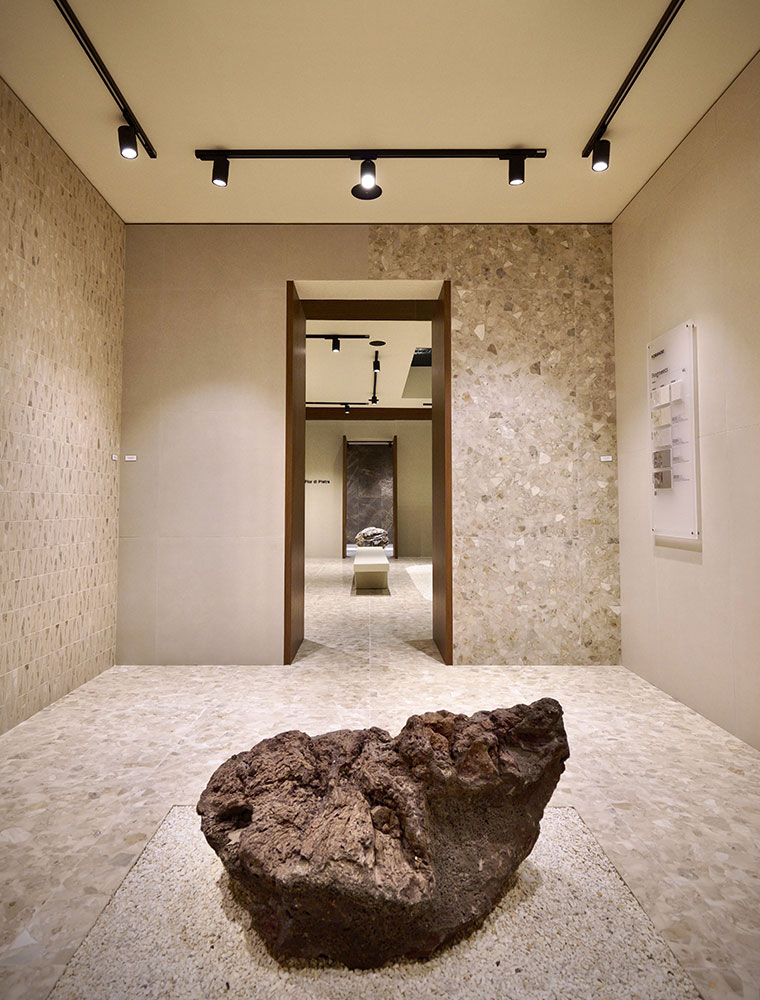
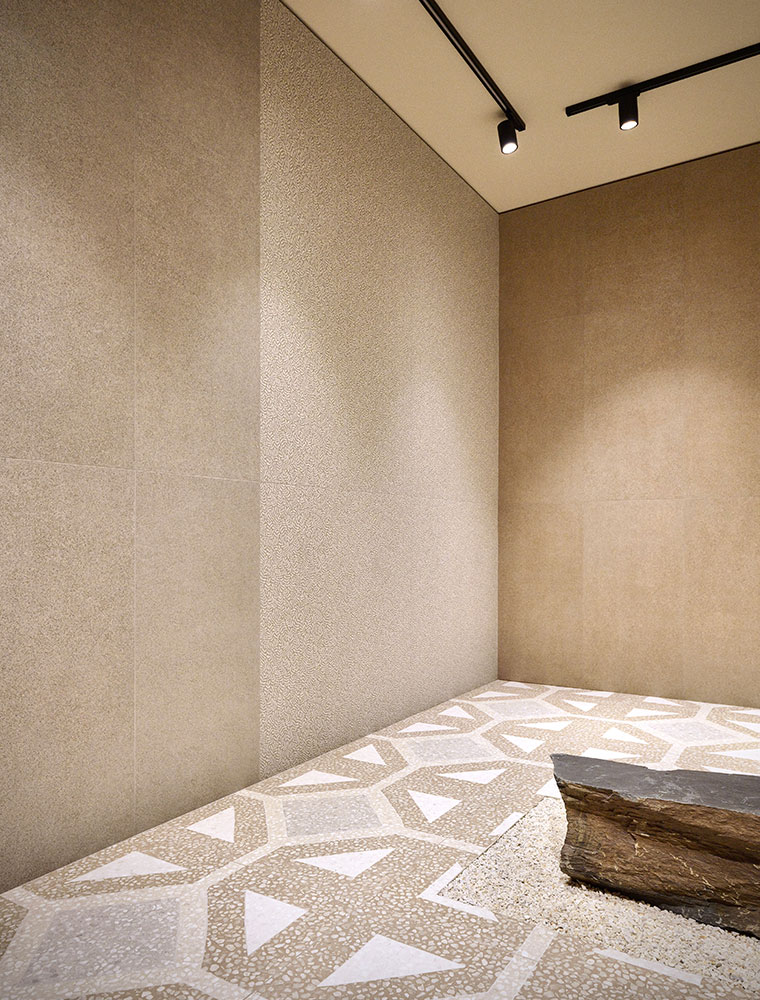
From this original inspiration come two different interpretations. In the first, Pieces, the stone is fragmented and recomposed into a terrazzo-inspired surface, where irregular fragments emerge from a resinous base. The second, Resins, introduces a semi-transparent resin effect that enhances depth, luminosity and tactile perception. Two different yet complementary expressions through which fragmentation becomes compositional balance and imperfection is transformed into an aesthetic and design value.
Highly versatile and designed for interiors, the collection can be used across both floors and walls, interacting naturally with different furnishings and materials.
It is precisely this balance between natural irregularity and contemporary research that makes Fragments particularly interesting for interior design. The collection can define large flooring areas, create continuity throughout living spaces or give character to walls and architectural partitions. In kitchens and bathrooms, it can become an integral part of the interior scheme, while in hotels, restaurants, boutiques and contract spaces it can help create distinctive environments with a strong material identity.
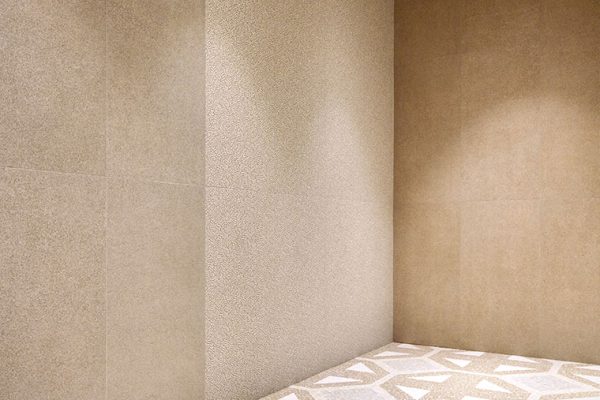
The palette also encourages dialogue with the project: Ivory, Beige, Greige and Dark Grey for Pieces, with the addition of Fog for Resins, create a range of neutral shades that can be easily combined with wood, metal, fabrics and other materials. Different formats, including mosaic, also make it possible to move from large surfaces to more articulated and decorative solutions.
The value of this research has also been recognised with an important award. Fragments won the TECNAwards Best Product of the Year in Rimini at TECNA 2026, the international event dedicated to technologies and solutions for the ceramics and surface industries. The award further highlights a collection in which technological innovation, material research and compositional freedom converge in a proposal designed for contemporary interiors.
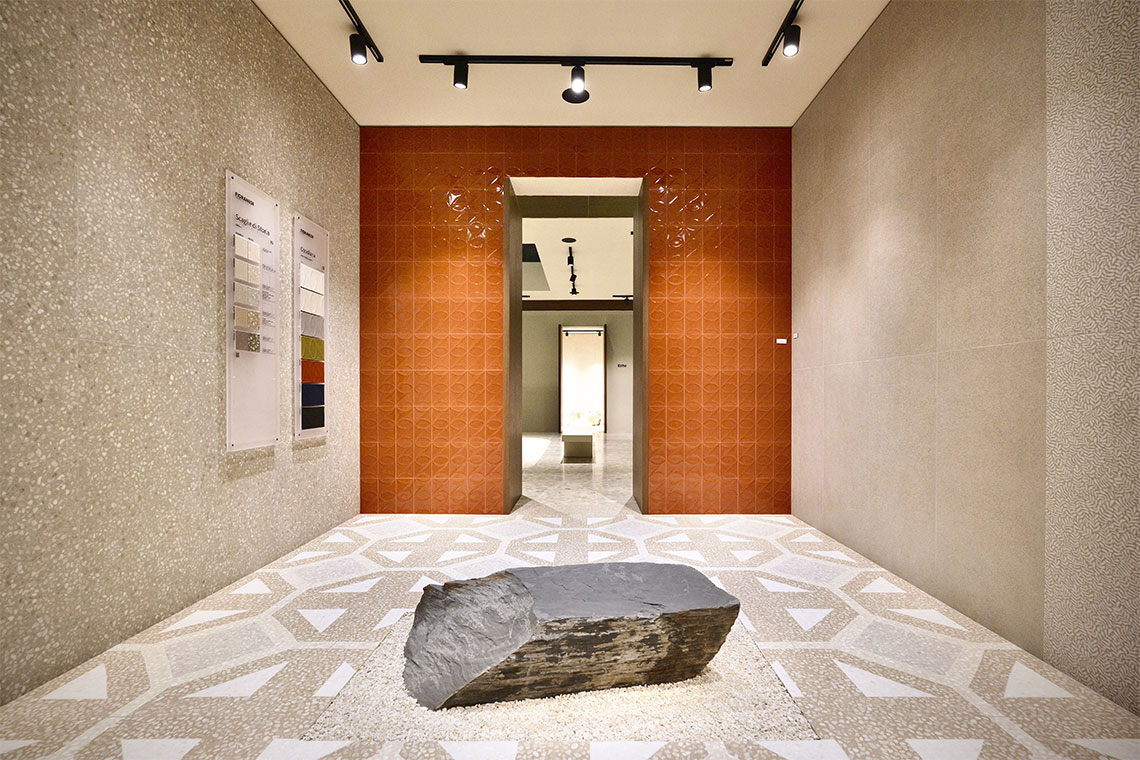
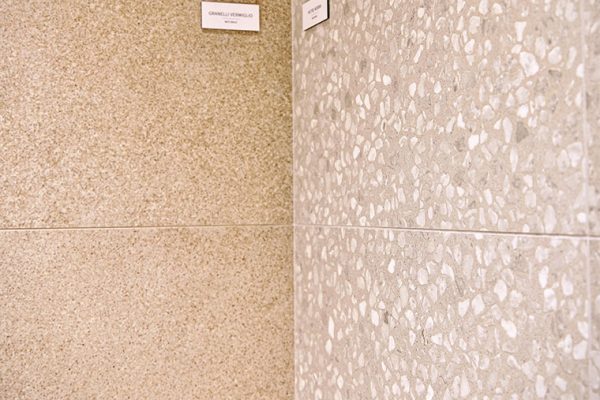
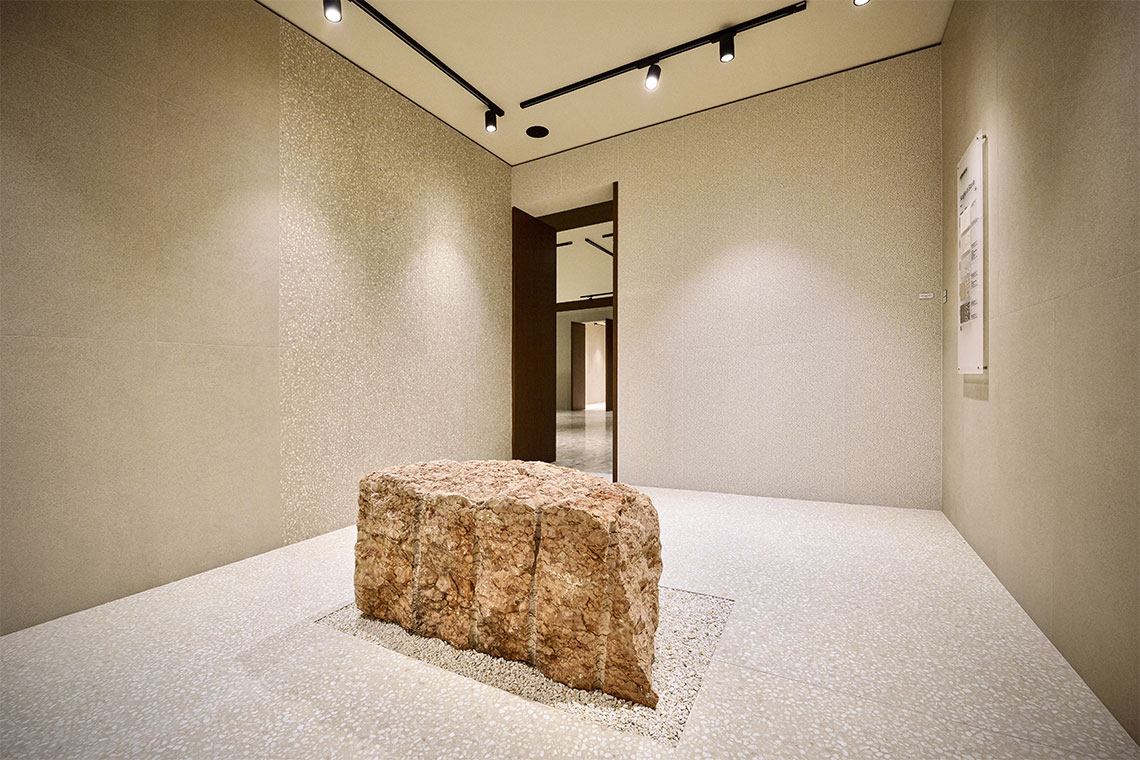
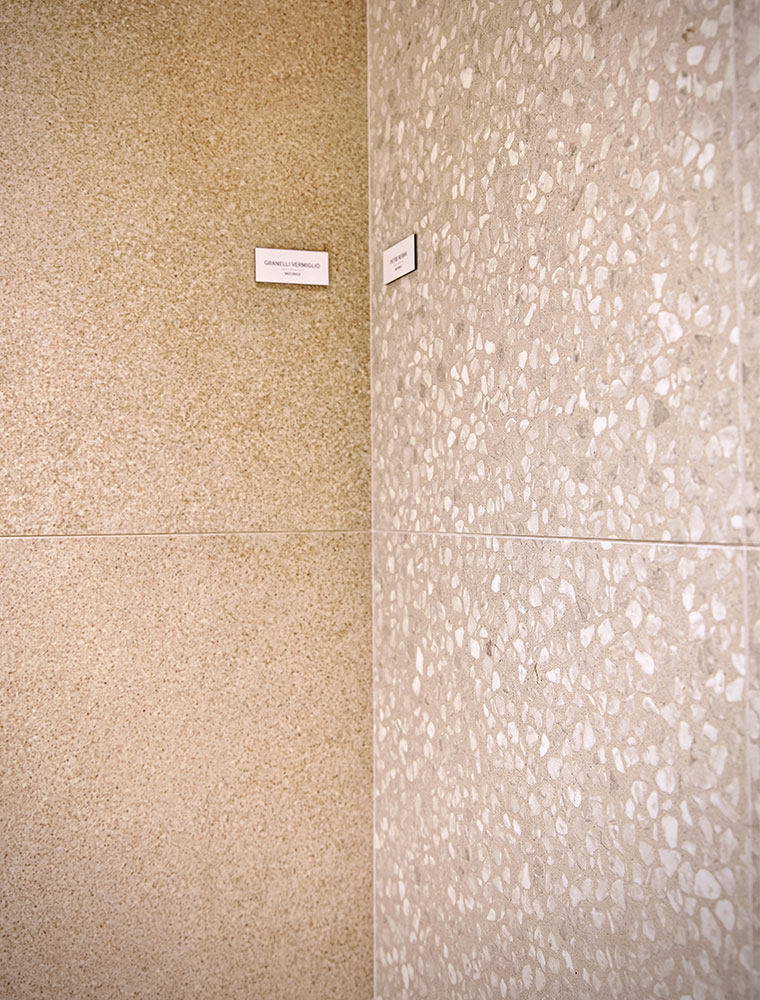
Alongside Fragments, Scaglie di Storia revisits the memory of terrazzo through Granelli, with Rosso Verona marble fragments, and Pietre, with Bianco di Carrara flakes, reinterpreting this tradition with a unique and distinctive sensitivity.
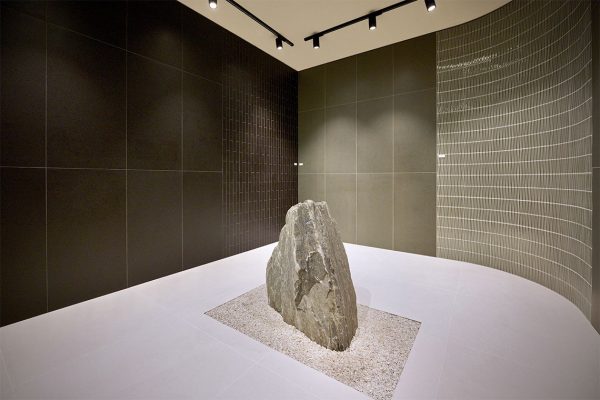
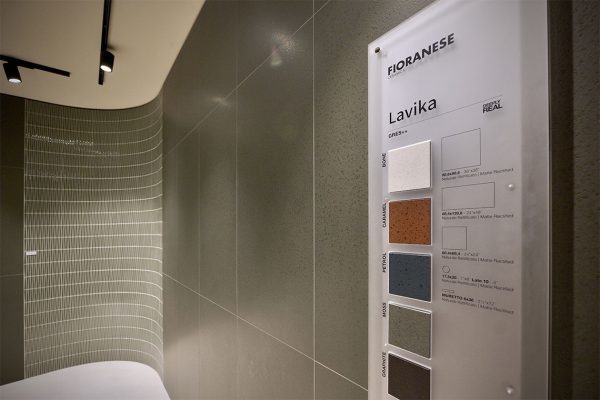
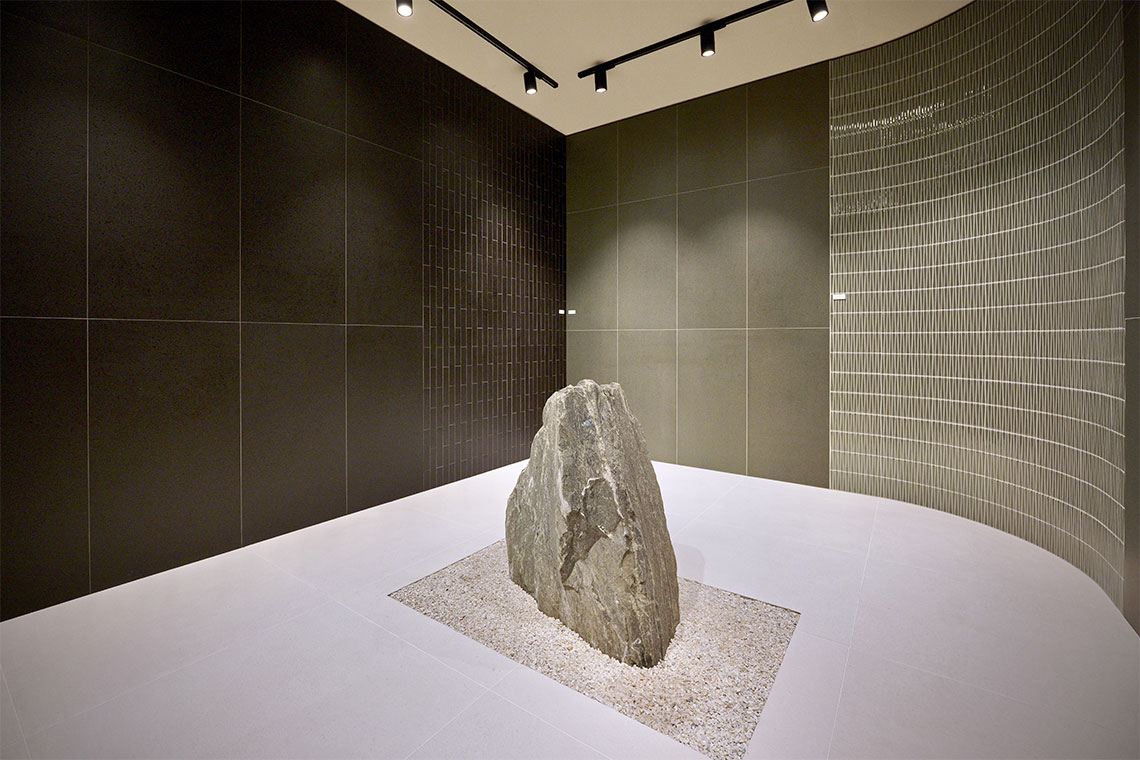
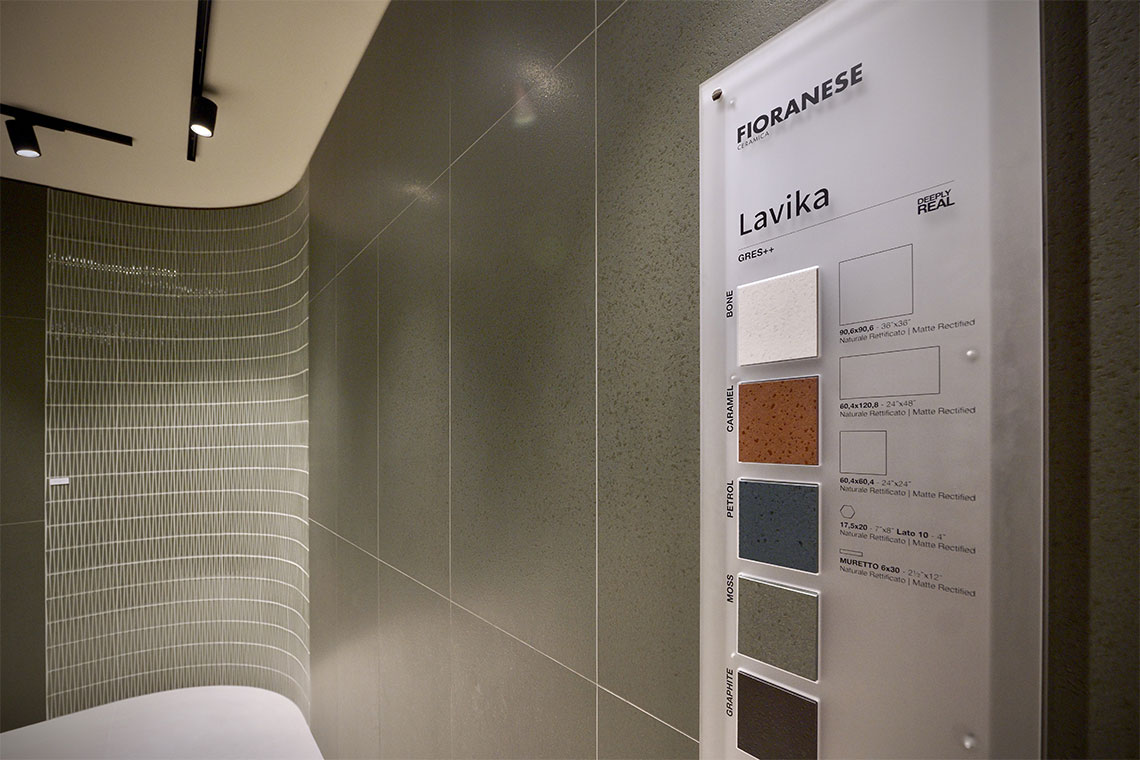
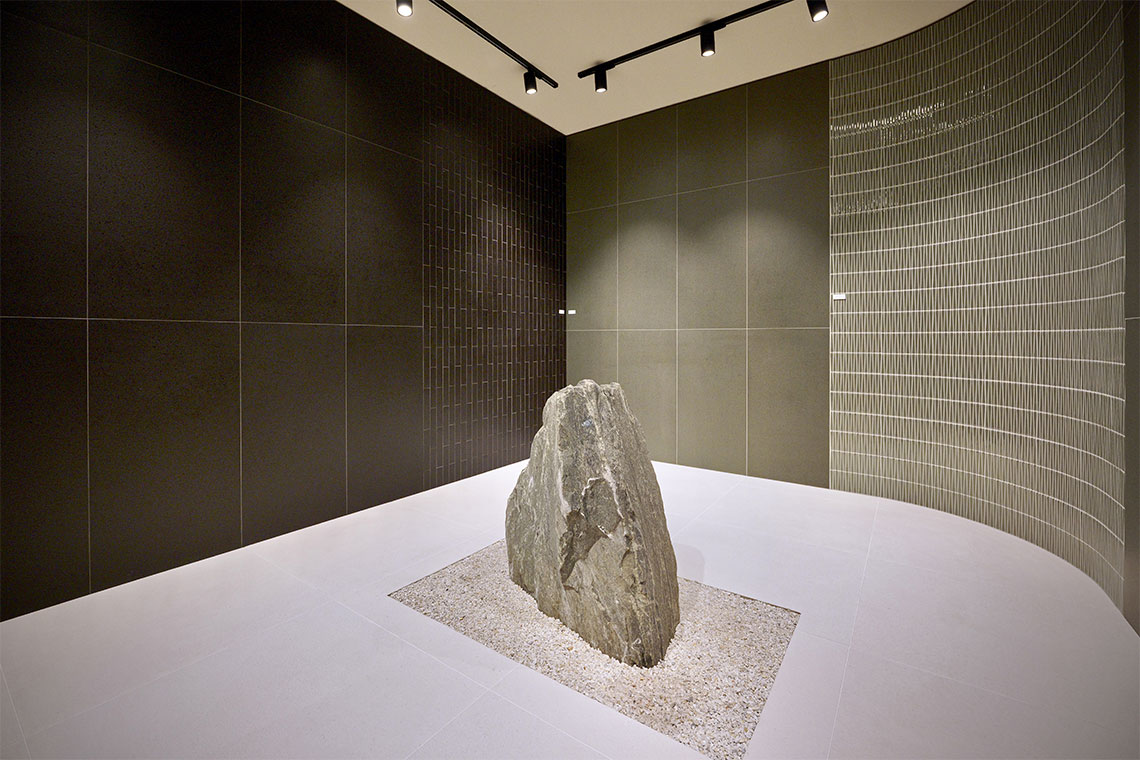
Lavika, meanwhile, is born from the encounter between the strength of lava stone and the culture of ceramic glazing: warm, desaturated colours, soft reflections and tactile variations create vibrant surfaces, also available in formats that broaden installation and composition possibilities.
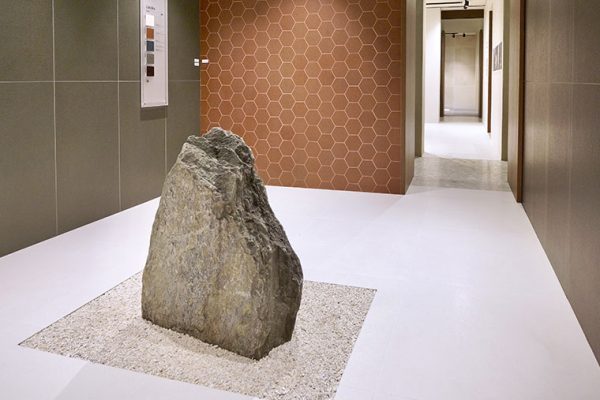
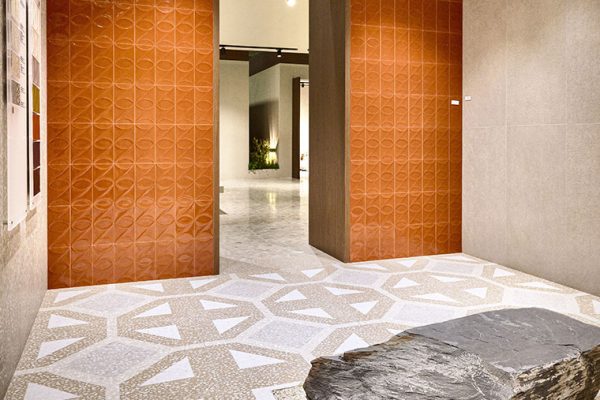
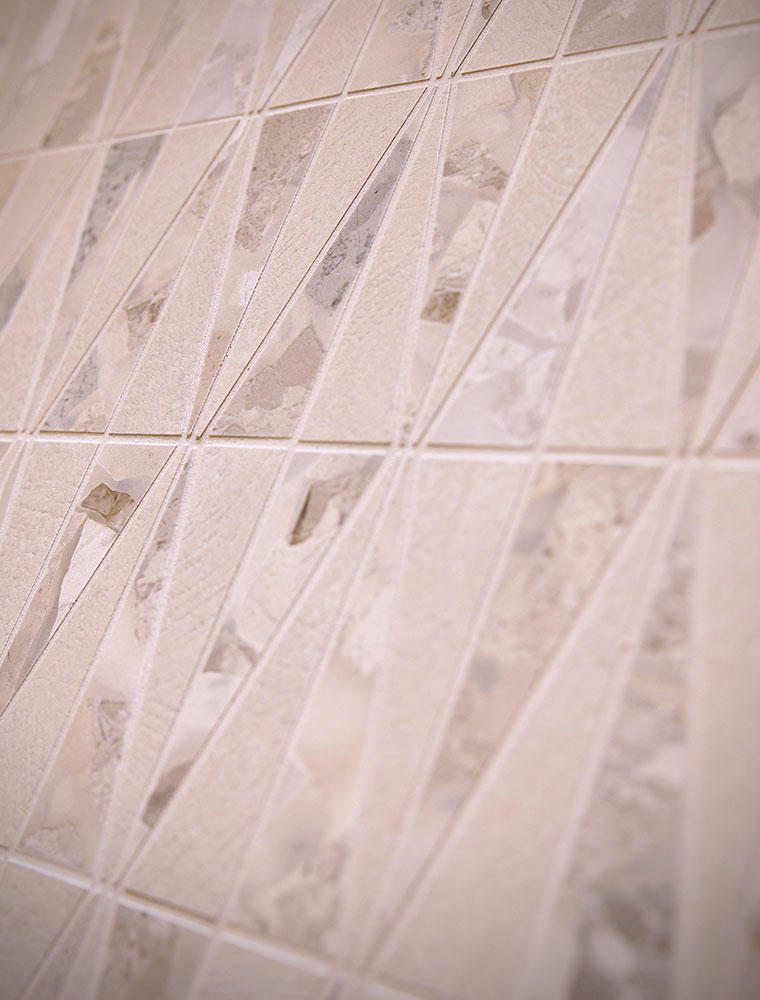
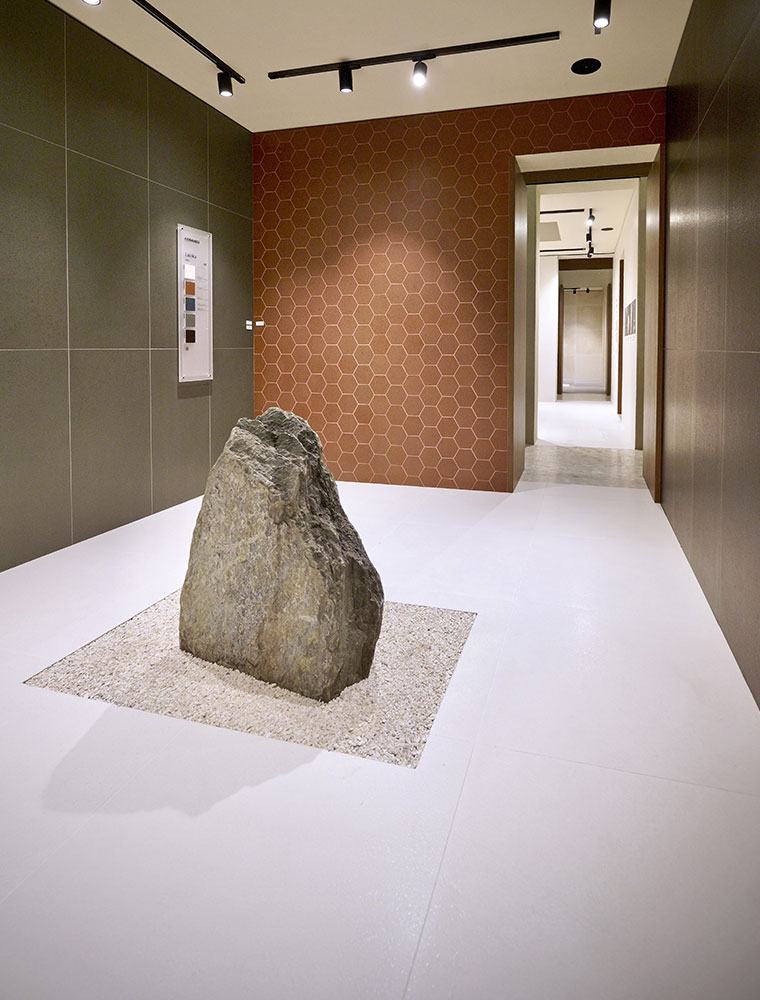
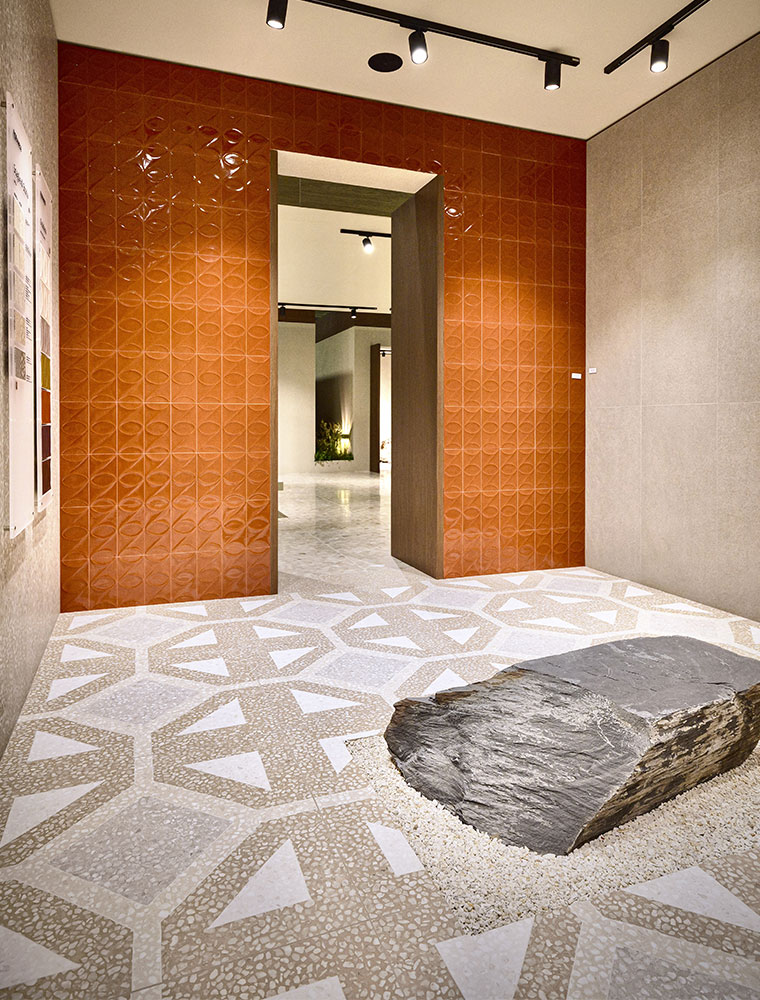
More decorative in character, Ossidiana revisits shapes and geometries inspired by the 1950s and 1960s through relief, colour and a high-gloss glaze that captures the light and accentuates the three-dimensional quality of the wall.
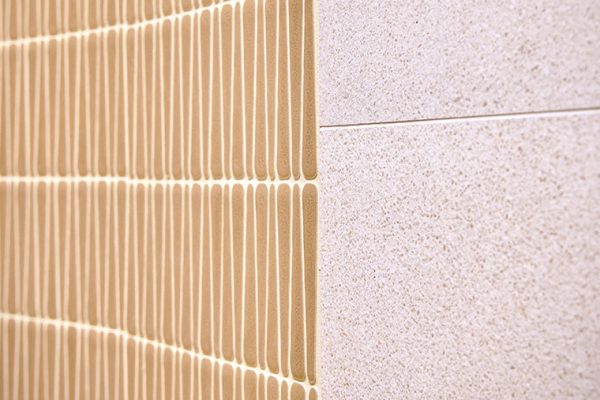
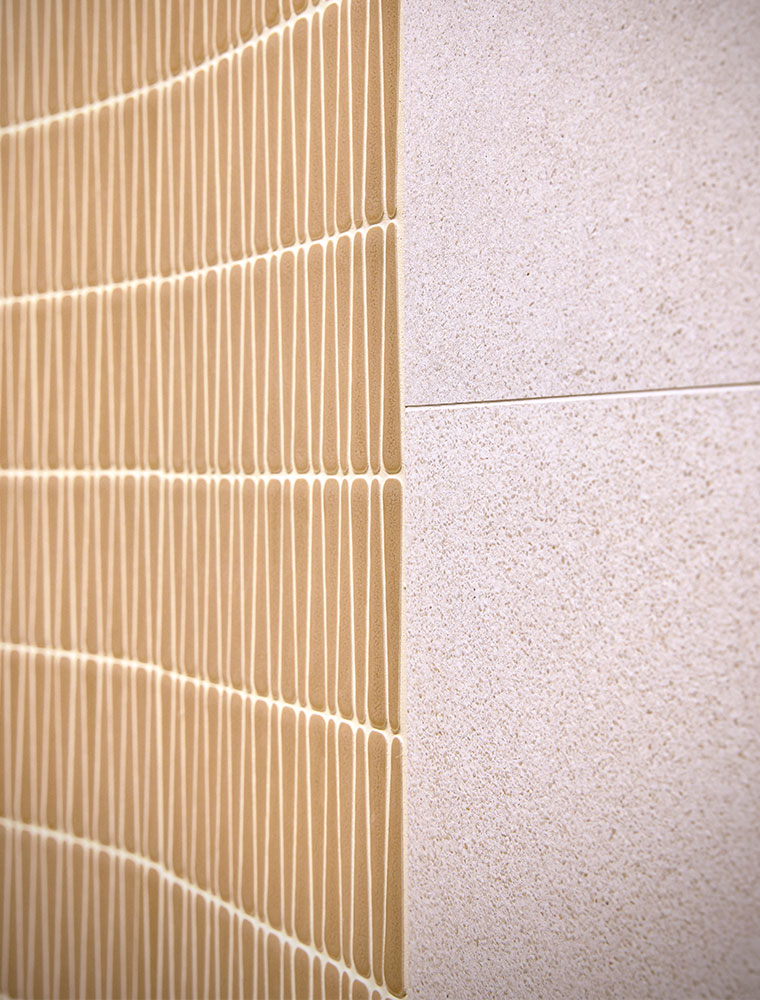
Finally, Drops interprets ceramics as a material shaped by light: elongated elements, a glossy finish and a delicate craquelé texture transform the wall covering into a dynamic surface, where reflections, texture and colour continuously alter the perception of space.
Five collections and five expressive languages capable of transforming fragmentation, layering and imperfection into new tools for interior design.
To fully appreciate the textures, reliefs, colours and possible combinations, Fioranese invites interior designers and architects to visit Spazio Hangar, the showroom in Fiorano Modenese, and discover the new collections
SHARE THE ARTICLE ON YOUR SOCIAL MEDIA PROFILES: