An interplay of surfaces in dialogue, new balances for interior design
When ceramics meet wood, metal and textiles
When ceramics meet wood, metal and textiles
In contemporary interior design, surfaces are no longer a mere neutral backdrop; they’re activators of a material dialogue. Floors and wall coverings interact with furnishings, fabrics and finishes, shaping spaces where comfort is a question of perception as well as function. The message from the latest trends is clear: design is evolving towards a warm, layered aesthetic, with a deliberate measure of imperfection, in which ceramics become the point of balance between different materials, establishing a new equilibrium that speaks of matter, nature and design in every one of our new projects.
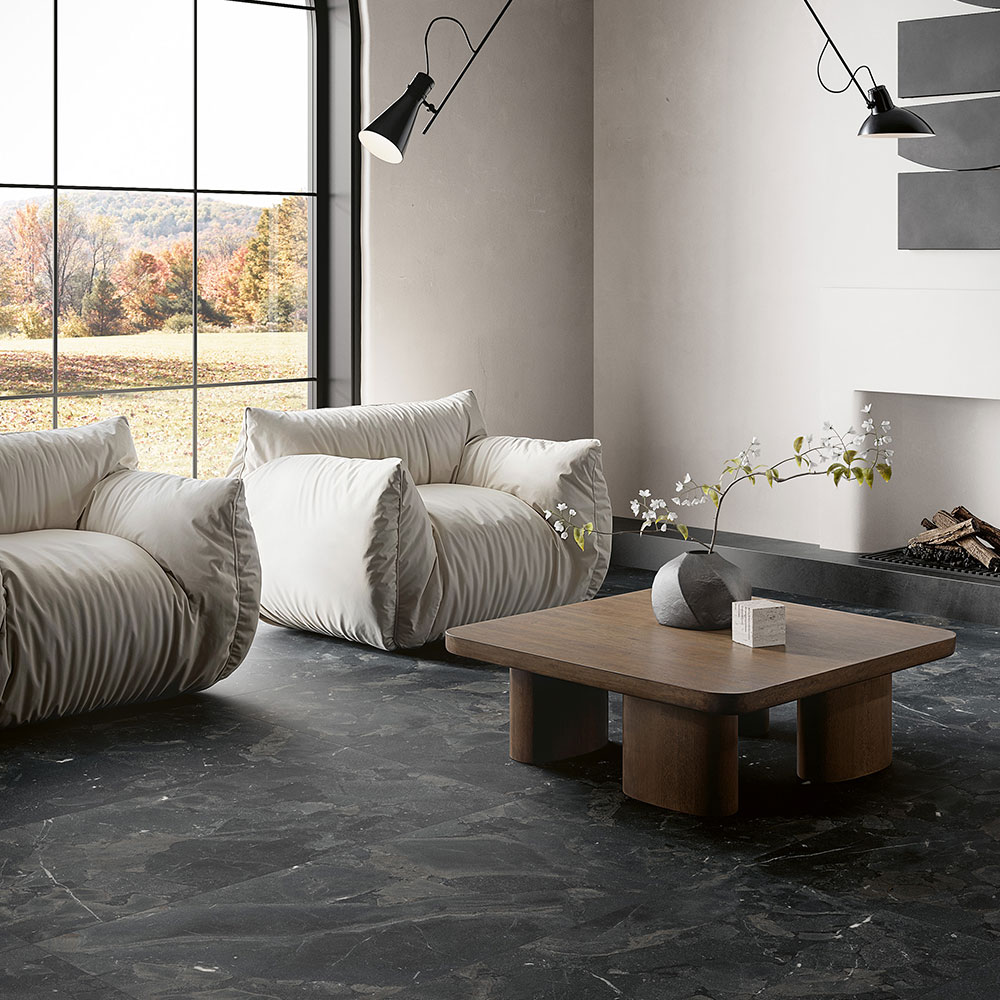
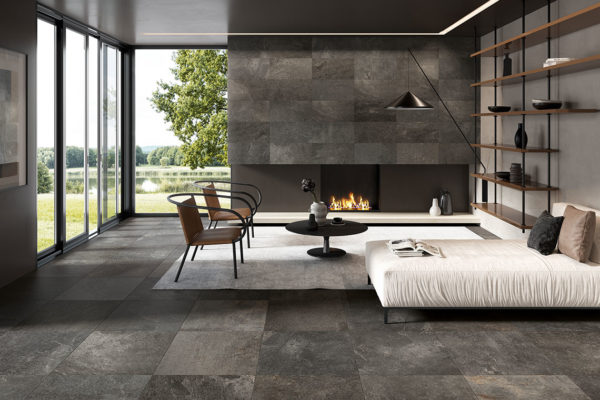
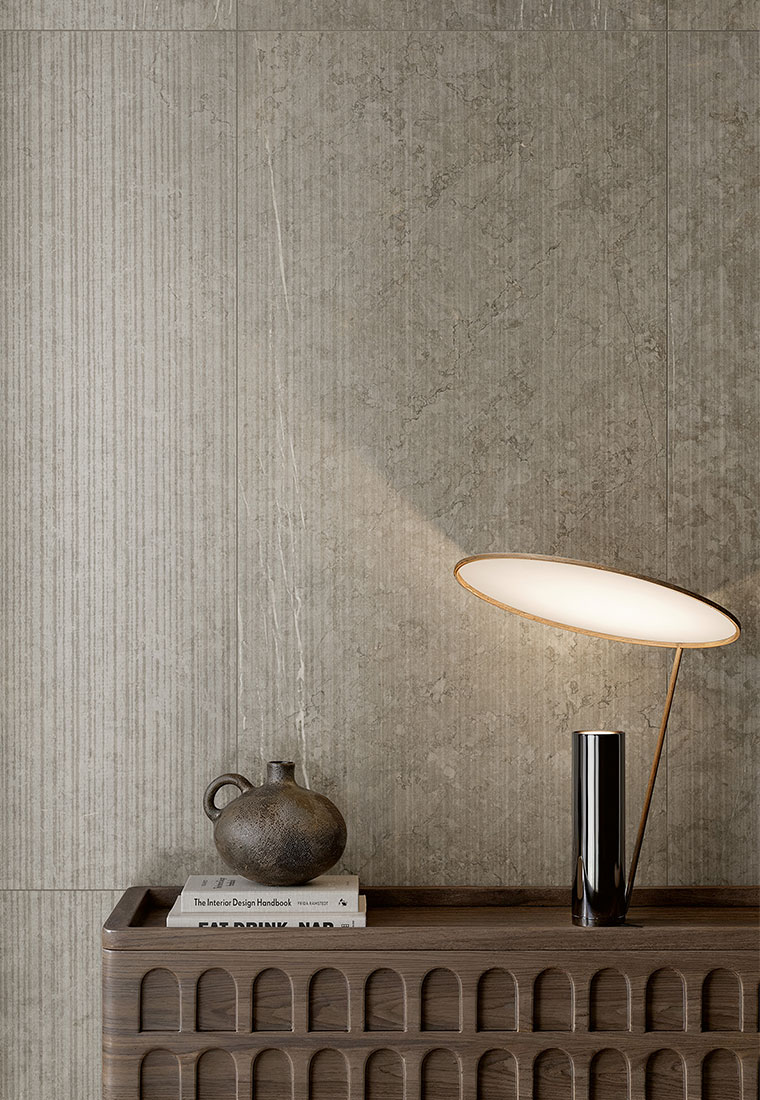
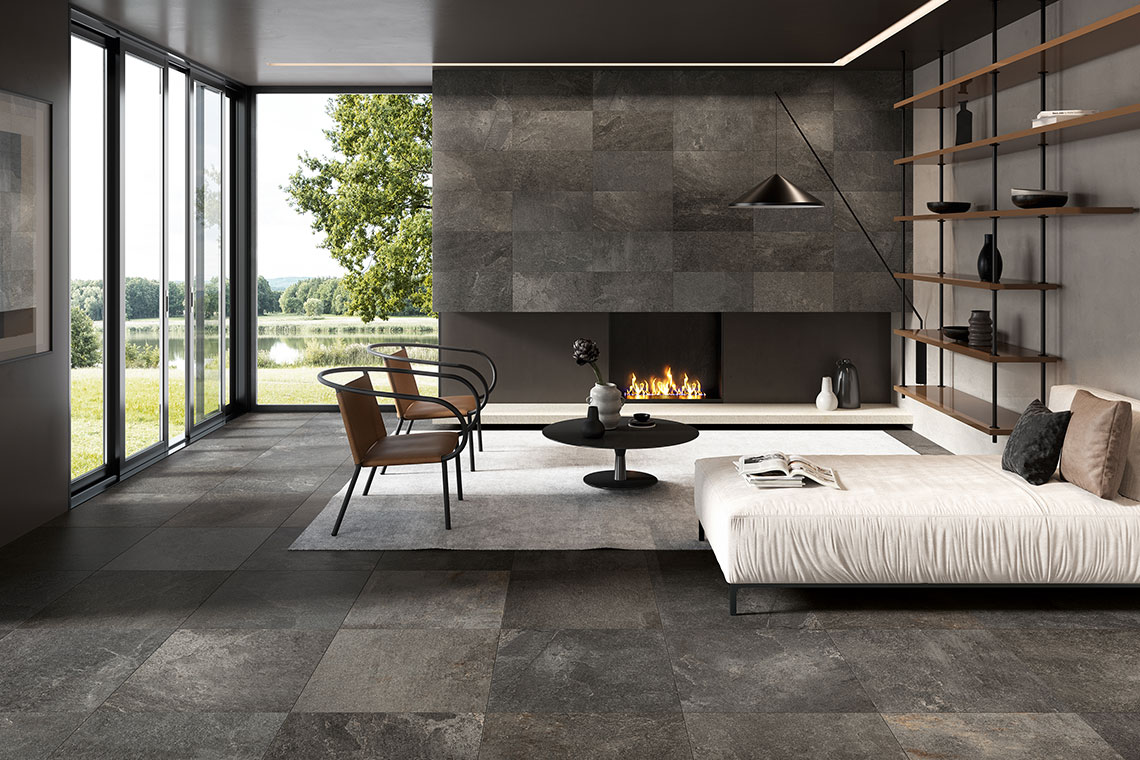
The encounter between textured ceramic surfaces and natural wood is one of the most authentic expressions of today’s approach to living. It’s not about imitation, but about dialogue: the solid visual appeal of ceramics intertwines with the vibrating warmth of wood, creating welcoming and contemporary environments, conceived especially for living areas.
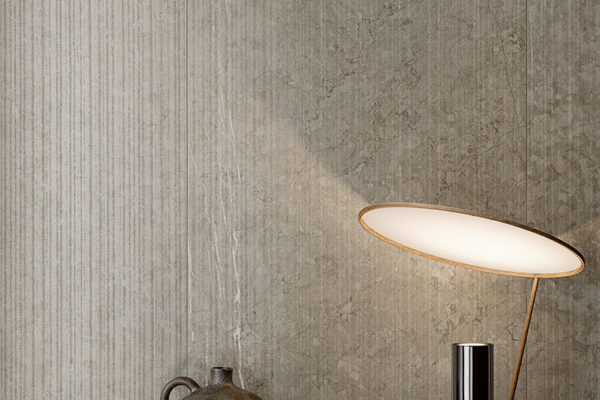
Collections such as Sense and Lythos interpret this trend with their soft surfaces, marked by subtle colour shifts and deep textures, designed to enhance furnishings in natural oak, walnut or ash. Sense, in particular, offers a new take on Grey stone on a stone-effect porcelain stoneware with a striking material presence, featuring colours and shades conceived to welcome wooden tables, chairs and décor accessories, helping to shape smooth, warm atmospheres. Lythos takes inspiration from a Brazilian quartzite and turns it into high-performance stone-effect porcelain stoneware floors, the ideal partner even for richly crafted wood furnishings, for spaces with strong visual impact, where material and design coexist in perfect balance.
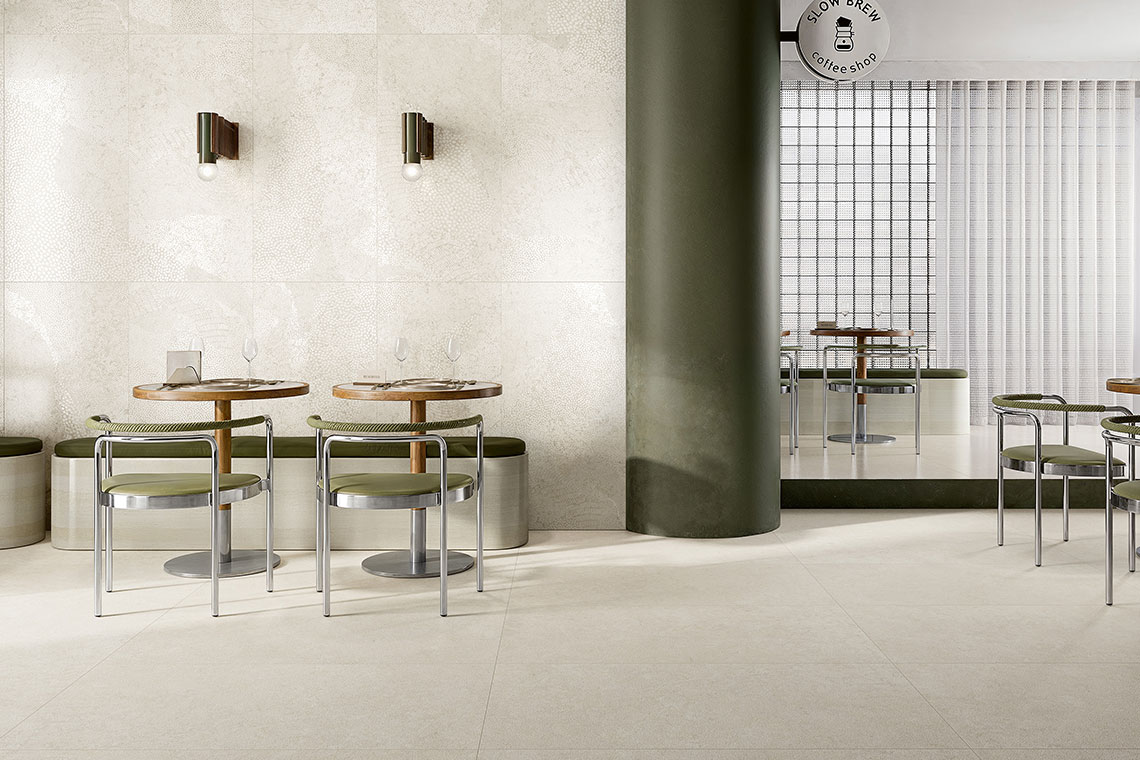
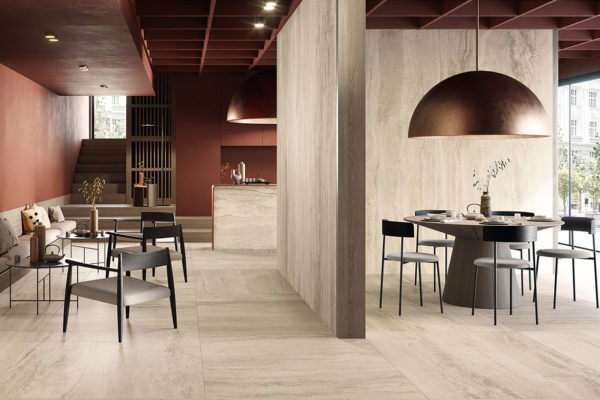
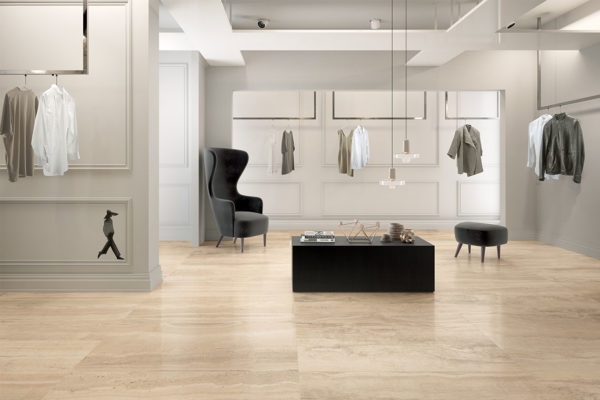
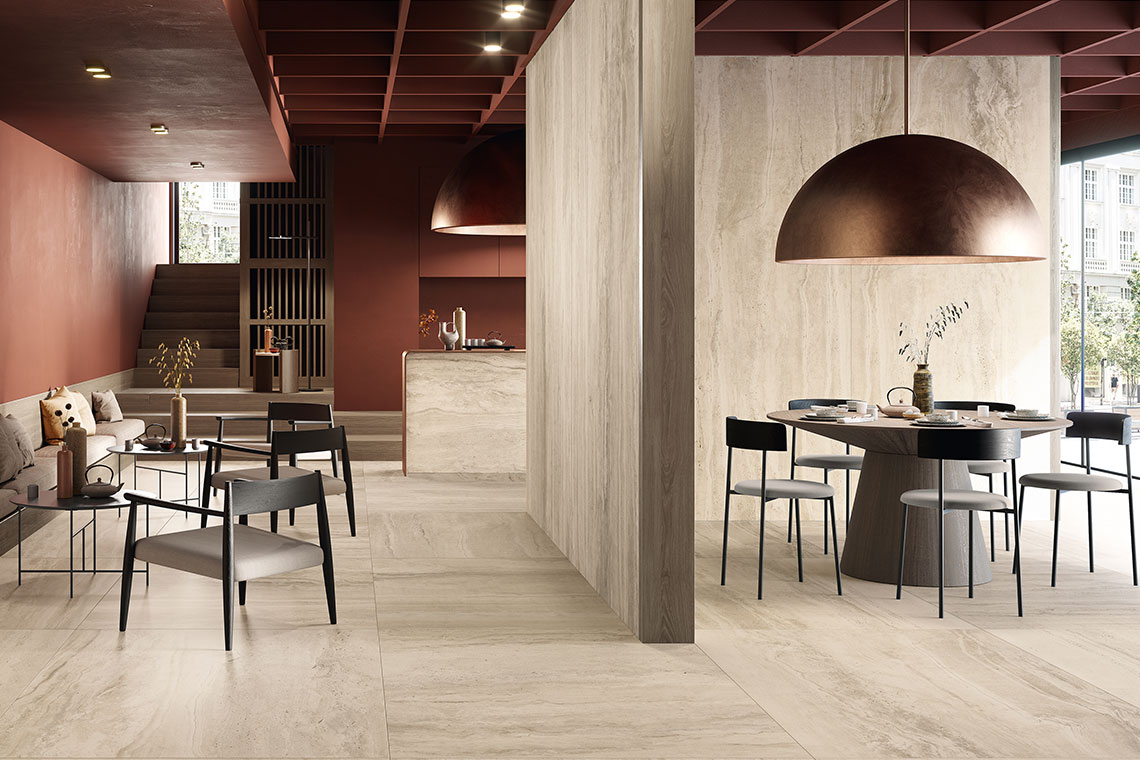
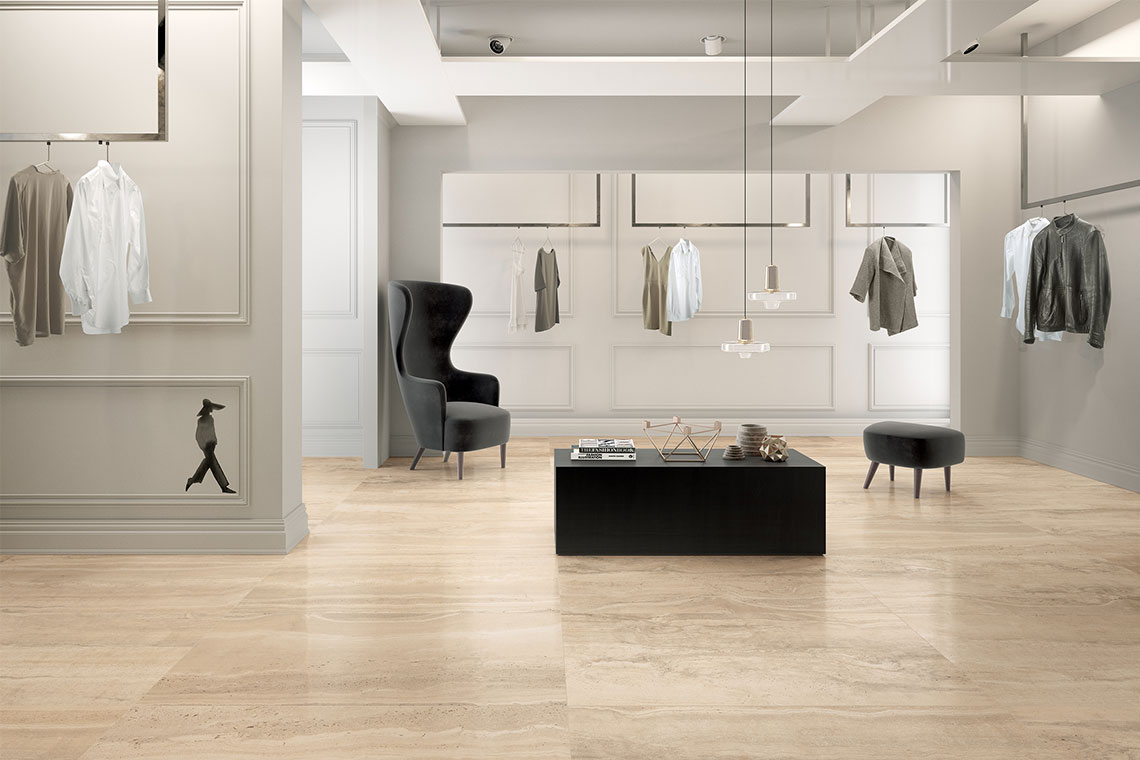
In public and commercial spaces, a new balance between materiality and detail takes shape. Ceramic surfaces in earthy tones such as sand, clay and warm stone, form a sophisticated, neutral base, ideal for enhancing high-traffic environments with a simple yet inviting aesthetic. In these settings, warm metals such as brass and bronze introduce sophisticated accents that subtly enrich the space. Collections such as Reverso and Kavastone are naturally conducive to this dialogue, offering satin-finish metal details and sleek, compact surfaces that enhance contract furnishings, as well as wooden seating and tables, creating contemporary atmospheres.
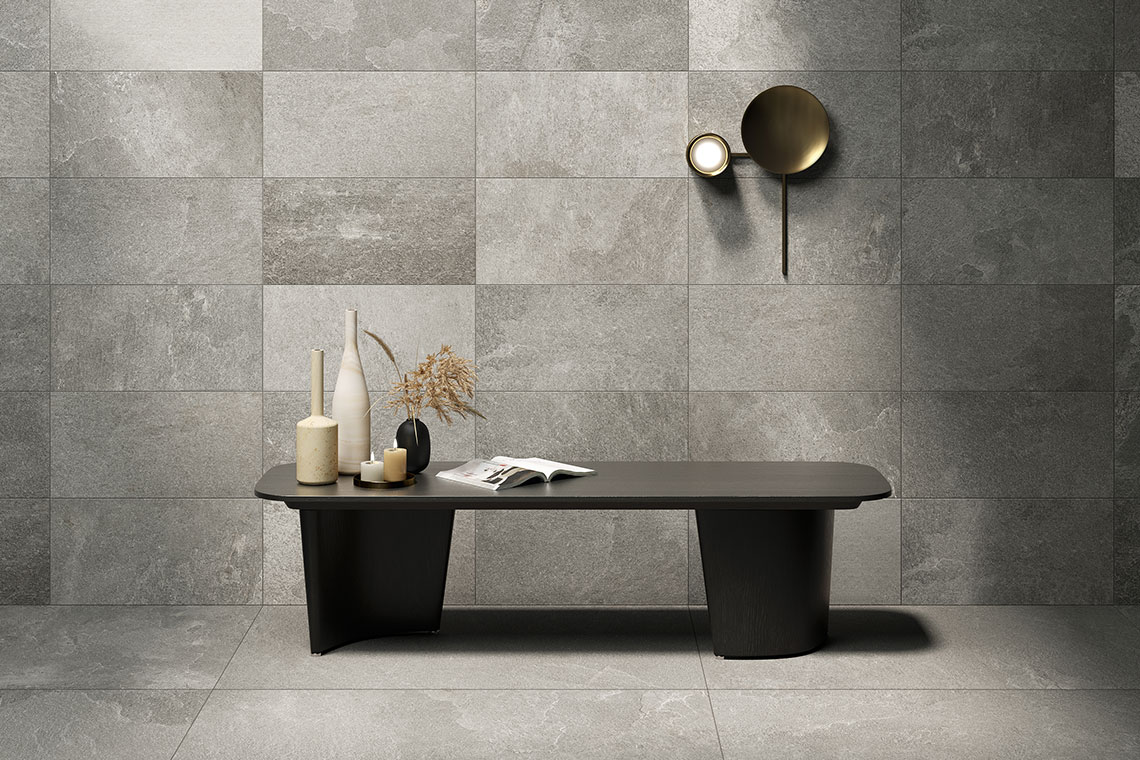
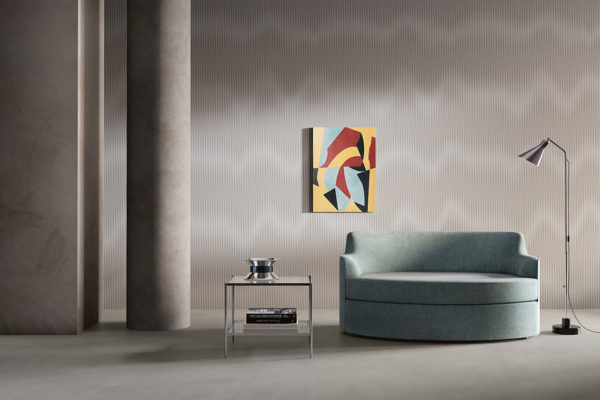
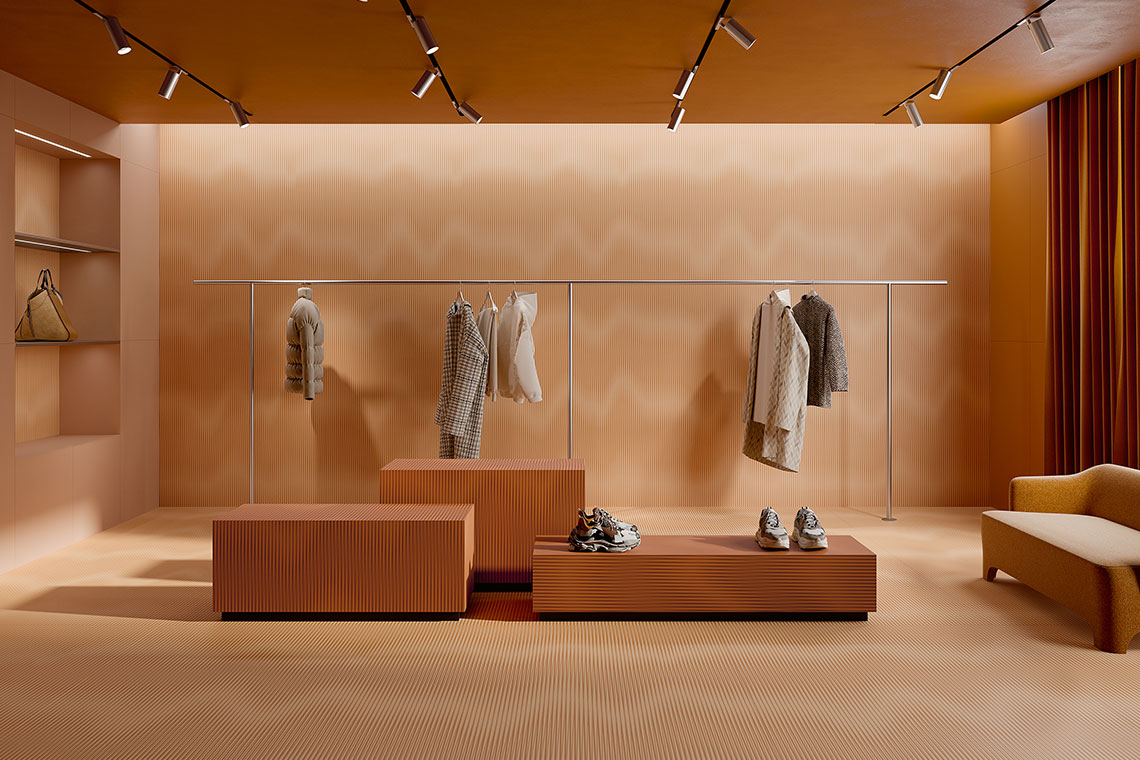
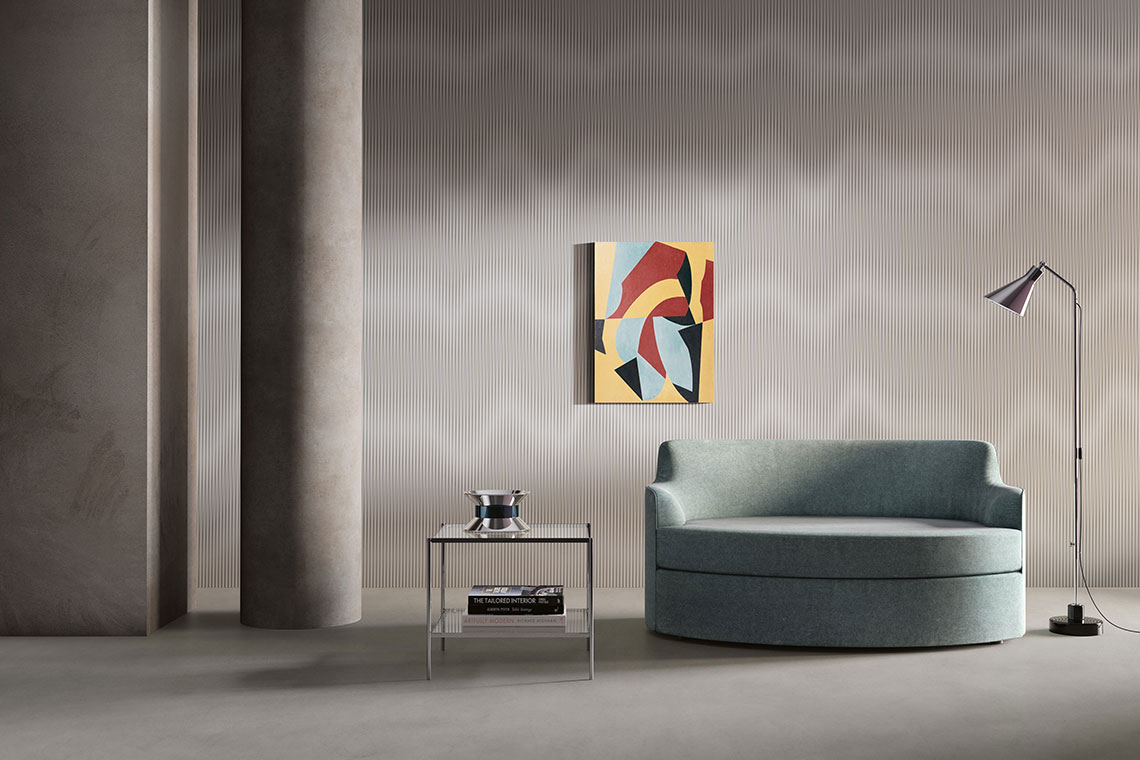
Today, comfort is also about touch. Matt, silky ceramic surfaces increasingly engage with rich textiles such as bouclé, linen and velvet, creating sensory contrasts that enhance the perceptual quality of spaces and the well-being of those who live in them.
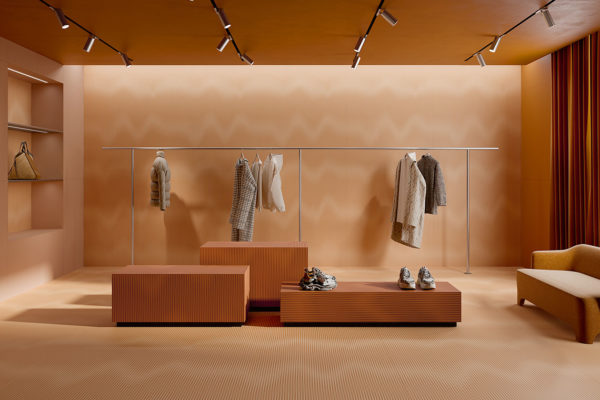
The atmospheres suggested by collections such as Moiré show how floors and wall coverings can become the ideal counterpoint to soft sofas, textured curtains and enveloping upholstery. Moiré, a large-format porcelain stoneware wall covering with a marbled effect, interprets the surface as a graphic and decorative element able to bring elegance and character to both living areas and bedrooms, and is also a natural choice for commercial environments.
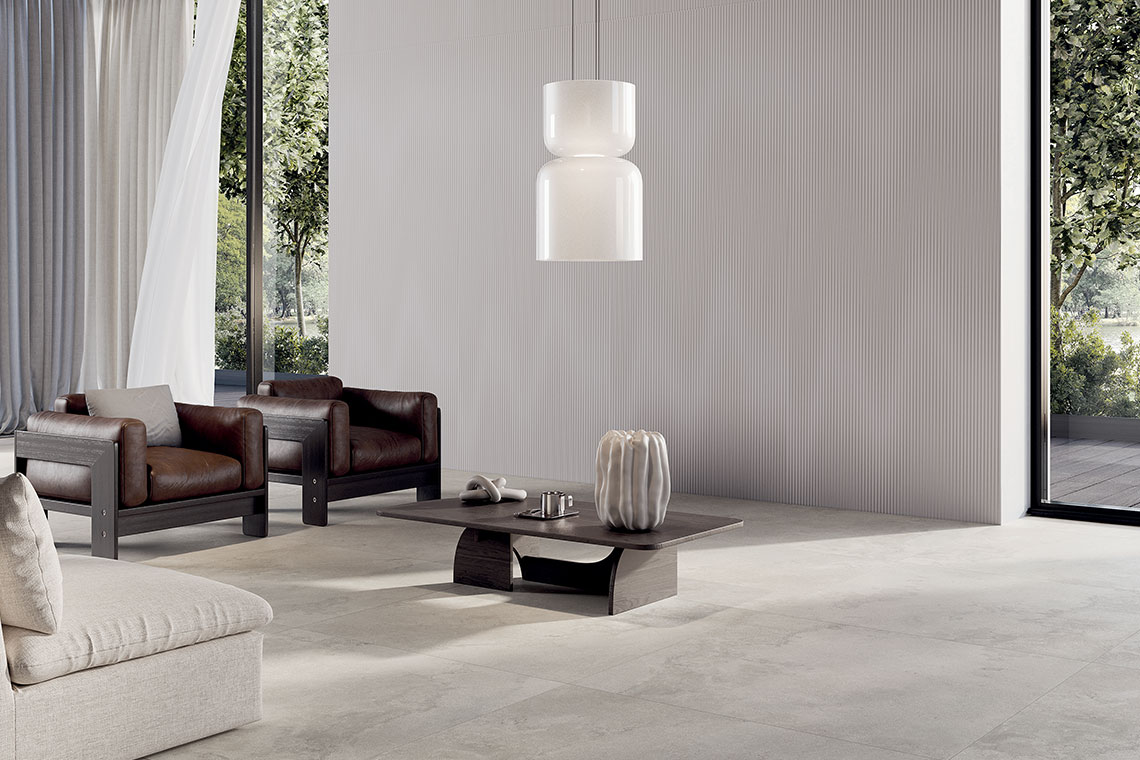
The strength of Coem surfaces lies in their ability to relate. Wood, metal, textiles and ceramics do not compete: they collaborate, building a more conscious, sensory and enduring approach to living spaces, for a design philosophy that does not simply follow trends, but instead transforms them into concrete design choices, conceived to accompany time and everyday spatial experience.
SHARE THE ARTICLE ON YOUR SOCIAL MEDIA PROFILES: